

Modern universities operate like small cities. From academic buildings and dormitories to libraries and sports centers, efficient transportation is essential. Solar trikes for university campuses are emerging as a smart mobility solution that balances sustainability, safety, and cost control.
Unlike traditional campus vehicles, these trikes are compact, quiet, and solar-assisted—perfectly aligned with higher education’s environmental goals.
Why Solar Trikes for University Campuses Fit Academic Environments
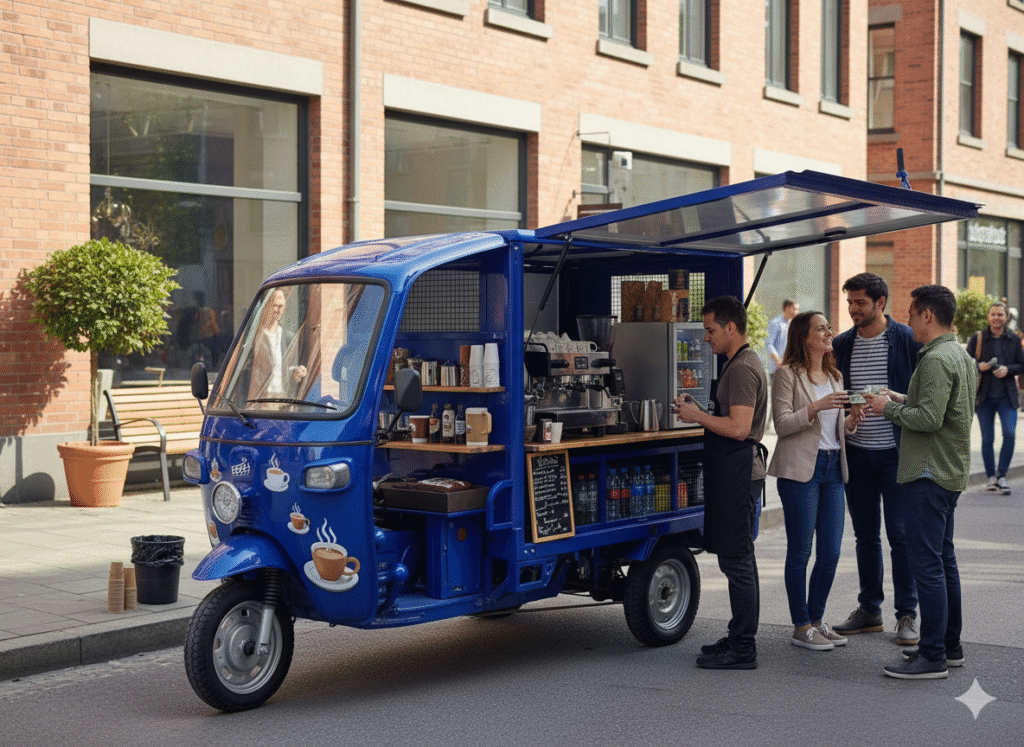
Solar trikes for university campuses are designed for short-distance, frequent travel. They perform well in pedestrian-heavy areas where cars and vans are inefficient or restricted.
Their three-wheel stability makes them accessible for riders of different ages and skill levels, reducing training and safety risks.
6 Powerful Benefits of Solar Trikes for University Campuses
1. Sustainable Transportation Goals
Solar trikes for university campuses visibly support carbon reduction initiatives and green campus certifications.
2. Reduced Campus Traffic
Their compact footprint lowers congestion around lecture halls and student housing.
3. Cost-Effective Fleet Management
Solar-assisted charging reduces electricity costs and extends daily operating range.
4. Quiet Operation
Electric motors ensure solar trikes for university campuses won’t disrupt classes or study areas.
5. Multi-Use Flexibility
They serve security patrols, maintenance crews, mail delivery, and staff commuting.
6. Positive Student Perception
Visible use of solar trikes for university campuses reinforces a university’s commitment to innovation and sustainability.
Practical Use Cases Across University Campuses
Solar trikes for university campuses are commonly used for:
- Campus security rounds
- Grounds and maintenance transport
- Internal logistics and document delivery
- Event coordination and staff mobility
Their adaptability makes them a valuable long-term asset.
Unlike traditional campus vehicles, these trikes are compact, quiet, and solar-assisted—perfectly aligned with higher education’s environmental goals.
Why Solar Trikes for University Campuses Fit Academic Environments
Solar trikes for university campuses are designed for short-distance, frequent travel. They perform well in pedestrian-heavy areas where cars and vans are inefficient or restricted.
Their three-wheel stability makes them accessible for riders of different ages and skill levels, reducing training and safety risks.
6 Powerful Benefits of Solar Trikes for University Campuses
1. Sustainable Transportation Goals
Solar trikes for university campuses visibly support carbon reduction initiatives and green campus certifications.
2. Reduced Campus Traffic
Their compact footprint lowers congestion around lecture halls and student housing.
3. Cost-Effective Fleet Management
Solar-assisted charging reduces electricity costs and extends daily operating range.
4. Quiet Operation
Electric motors ensure solar trikes for university campuses won’t disrupt classes or study areas.
5. Multi-Use Flexibility
They serve security patrols, maintenance crews, mail delivery, and staff commuting.
6. Positive Student Perception
Visible use of solar trikes for university campuses reinforces a university’s commitment to innovation and sustainability.
Practical Use Cases Across University Campuses
Solar trikes for university campuses are commonly used for:
- Campus security rounds
- Grounds and maintenance transport
- Internal logistics and document delivery
- Event coordination and staff mobility
Their adaptability makes them a valuable long-term asset.
FAQ – Solar Trikes for University Campuses
H3: Are solar trikes for university campuses safe to operate?
Yes. Solar trikes for university campuses use a three-wheel design that enhances balance and stability, making them safer than traditional bikes for daily campus use.
H3: Can solar trikes for university campuses handle long workdays?
Absolutely. Solar-assisted charging helps extend range, allowing solar trikes for university campuses to operate throughout the day with reduced charging downtime.
H3: Who typically uses solar trikes for university campuses?
They are commonly used by security staff, maintenance teams, administrative departments, and sustainability programs.
H3: Do solar trikes for university campuses require special infrastructure?
No. Solar trikes for university campuses can use existing bike paths and standard electrical outlets, keeping setup costs low.

Looking to modernize your campus transportation system? Solar trikes for university campuses offer a scalable, low-maintenance solution that aligns with sustainability goals while improving daily operations.
👉 Explore ELEVEV solar trike solutions to see how universities can deploy efficient, future-ready mobility with minimal infrastructure changes.