
Rural areas often face limited transportation options, high fuel costs, and unreliable infrastructure. Solar electric trikes for rural communities offer a practical solution designed to meet everyday mobility needs without dependence on fossil fuels.
By combining electric assistance with solar charging, these trikes empower residents with reliable and low-cost transportation.
Why Solar Electric Trikes for Rural Communities Matter
In many rural regions, long distances and poor road conditions make traditional vehicles expensive to operate. Solar electric trikes for rural communities provide stable, easy-to-maintain transport that works even where fuel stations and power grids are limited.
Their simple design also makes them accessible to a wide range of users.
Rural areas often face limited transportation options, high fuel costs, and unreliable infrastructure. Solar electric trikes for rural communities offer a practical solution designed to meet everyday mobility needs without dependence on fossil fuels.
By combining electric assistance with solar charging, these trikes empower residents with reliable and low-cost transportation.
Why Solar Electric Trikes for Rural Communities Matter
In many rural regions, long distances and poor road conditions make traditional vehicles expensive to operate. Solar electric trikes for rural communities provide stable, easy-to-maintain transport that works even where fuel stations and power grids are limited.
Their simple design also makes them accessible to a wide range of users.
8 Powerful Benefits of Solar Electric Trikes for Rural Communities
1. Off-Grid Mobility
Solar electric trikes for rural communities operate independently of unreliable electricity networks.
2. Lower Transportation Costs
Solar-assisted charging significantly reduces fuel and charging expenses.
3. Improved Road Stability
Three-wheel designs handle uneven rural roads better than two-wheel bikes.
4. Support for Local Agriculture
Farmers use solar electric trikes for rural communities to move tools, produce, and supplies.
5. Access to Essential Services
They help residents reach schools, clinics, and markets more easily.
6. Minimal Maintenance Requirements
Simple electric systems reduce long-term repair costs.
7. Environmentally Friendly Transport
Zero emissions support cleaner rural environments.
8. Long-Term Community Value
Durable construction ensures years of dependable use.
Common Use Cases in Rural Communities
Solar electric trikes for rural communities are widely used for:
- Small-scale farming transport
- Village-to-market commuting
- Mobile healthcare visits
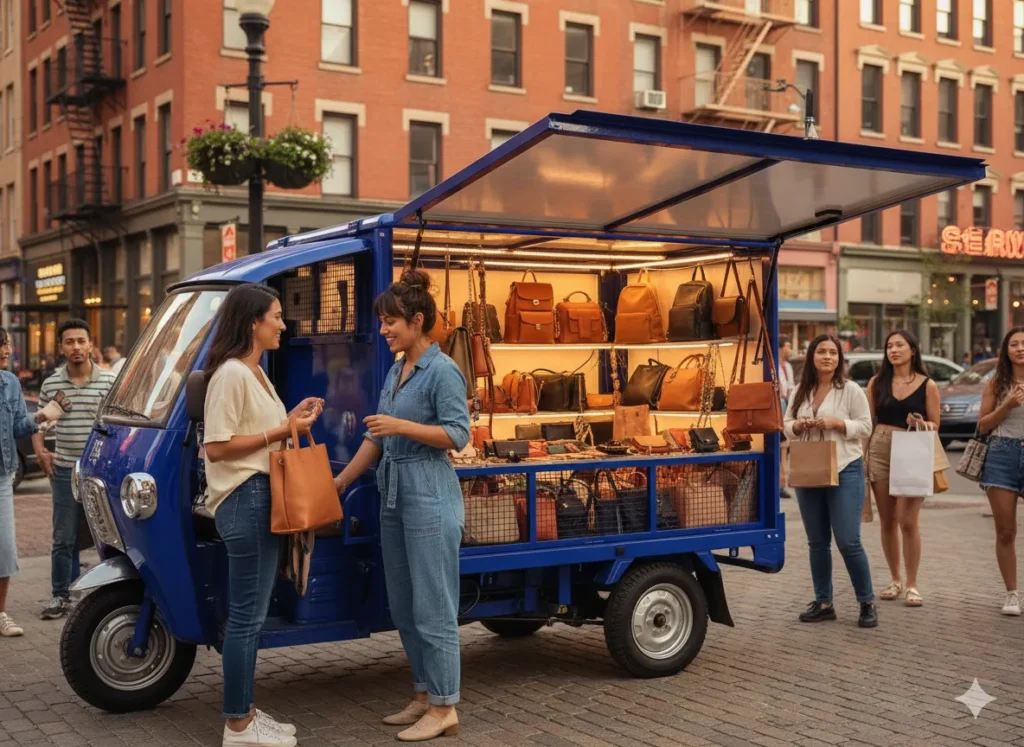
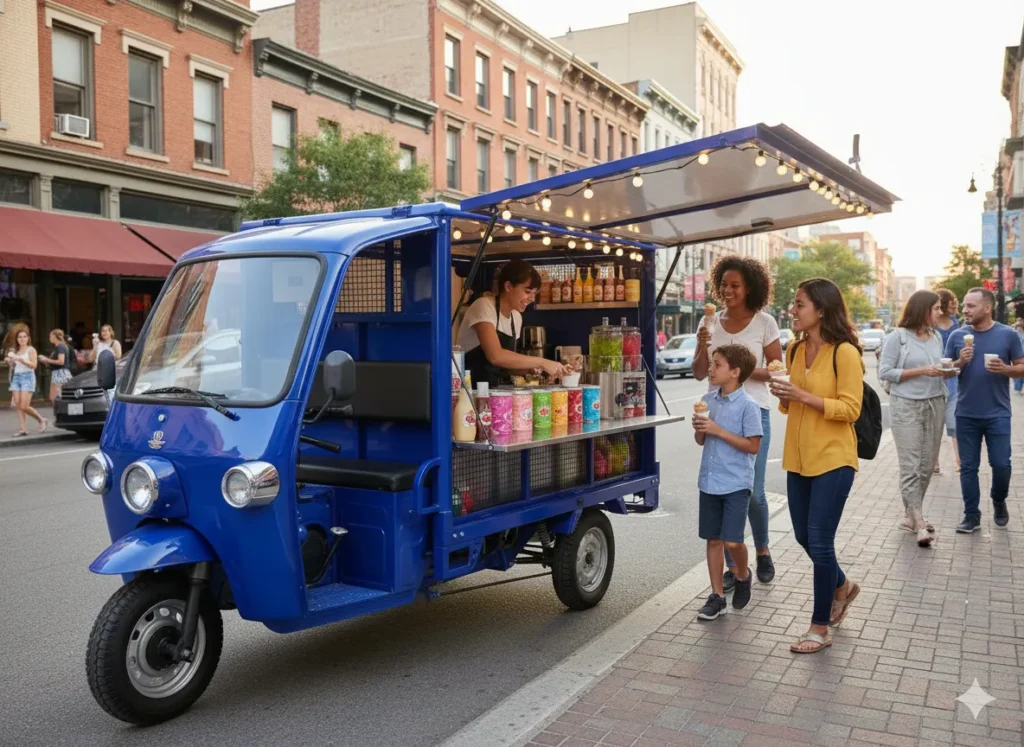
- Local goods delivery
Their adaptability makes them an important tool for rural development.
FAQ – Solar Electric Trikes for Rural Communities
Can solar electric trikes for rural communities work without grid power?
Yes. They rely on solar charging and onboard batteries, making them ideal for off-grid locations.
Are solar electric trikes for rural communities suitable for rough roads?
Their three-wheel configuration provides added stability on uneven terrain.
Who benefits most from solar electric trikes for rural communities?
Farmers, small business owners, healthcare workers, and local residents benefit greatly.
Are solar electric trikes for rural communities affordable?
They are significantly cheaper to operate than fuel-powered vehicles over time.
Looking for a cost-effective transport solution beyond traditional vehicles?
👉 Explore ELEVEV solar electric trikes for rural communities and bring sustainable mobility to underserved areas.